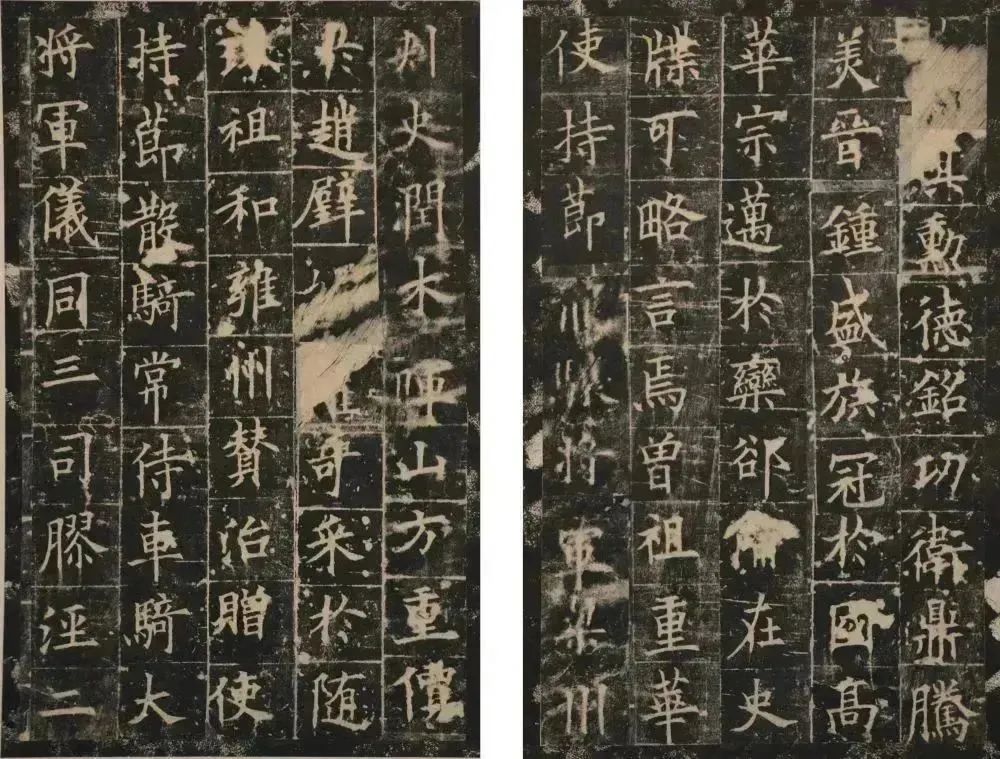
Ouyang Xun
Introduction
Ouyang Xun (557–641) was a renowned calligrapher and official during the Tang Dynasty (618-907). His contribution to Chinese calligraphy, particularly the development of the regular script (kaishu), has had a lasting impact on the art form. Ouyang Xun's work reflects the peak of Tang Dynasty culture and artistry, marked by a blend of tradition and innovation that influenced generations of calligraphers. A prominent figure in both the political and cultural spheres, he held significant government positions while maintaining a profound connection with the scholarly traditions of his time.
Background and Career
Ouyang Xun was born in 557, in what is now modern-day Hunan province. His early life and education reflect the Confucian values that were central to Chinese society at the time. Ouyang's scholarly pursuits, particularly in the realms of history, literature, and calligraphy, were nurtured during his youth. He became a successful candidate in the imperial examinations, eventually ascending to high-ranking official positions, including roles as an historian and a secretary to the emperor.
Ouyang's work, however, is best remembered for his contributions to the development of calligraphy. His achievements in this field were recognized during his lifetime, and his influence extended beyond his role in government. He was a master of both the regular script (kaishu) and the clerical script (lishu), but it was his refinement of the regular script that left an enduring legacy in Chinese calligraphy.
Features of Ouyang Xun's Calligraphy
Ouyang Xun's calligraphy is noted for its elegance, precision, and strength. His regular script is characterized by a clear, steady rhythm, with well-formed strokes that embody a sense of balance and order. He mastered the technique of rendering fluidity within a structured framework, allowing his calligraphy to exude both vitality and discipline. Unlike many other calligraphers of his time, Ouyang Xun emphasized the importance of structural integrity, ensuring each character was carefully composed to maintain harmony between individual strokes.
His brushwork is known for its strong, forceful strokes, which contrast with the more delicate and nuanced strokes of other calligraphers, such as Wang Xizhi. Ouyang Xun's calligraphy combines the robust spirit of the ancient seals with the grace of the early clerical script, marking the transition towards the more refined regular script that would dominate later periods of Chinese calligraphy.
Legacy and Influence
Ouyang Xun's calligraphy set a high standard for both aesthetic qualities and technical proficiency. His influence extended well beyond the Tang Dynasty, shaping the evolution of Chinese calligraphy for centuries to come. His work had a significant impact on later calligraphers, including his contemporaries and later generations, who revered his techniques and approach to brushwork.
His work became a model for those studying the regular script, and his contributions to the formation of its standards helped establish it as the dominant script form during the Tang Dynasty and beyond. The well-known Ouyang Xun style, which emphasizes strong brushstrokes and careful attention to the balance of each character, continues to inspire modern calligraphers today.
Ouyang Xun was also recognized for his dedication to scholarly culture and his role in preserving historical documents. His calligraphy was not just an art form, but also a means of transmitting cultural and intellectual values. His combination of calligraphy with historical writing elevated both disciplines, ensuring his place as a key figure in the cultural heritage of China.
In addition to his work as a calligrapher, Ouyang Xun's role in historical scholarship and state administration provided him with a unique perspective on the relationship between culture and governance. His ability to blend artistic practice with intellectual pursuits solidified his position as one of the foremost scholars and artists of his era.
Ouyang Xun's calligraphy was also instrumental in the standardization of Chinese script during the Tang Dynasty, a period known for its flourishing of arts and culture. His influence extended across many generations, and his style became a model of excellence, admired for its discipline and grace.
Ouyang Xun's legacy remains firmly established within the pantheon of Chinese calligraphy, making him a figure whose work continues to resonate within both the art world and the cultural consciousness of China.








